
Service That Catches Failure Before Shutdown
Dock Equipment Service & Repair in Taunton for facilities where freeze-thaw cycles crack leveler welds and stiffen dock seals
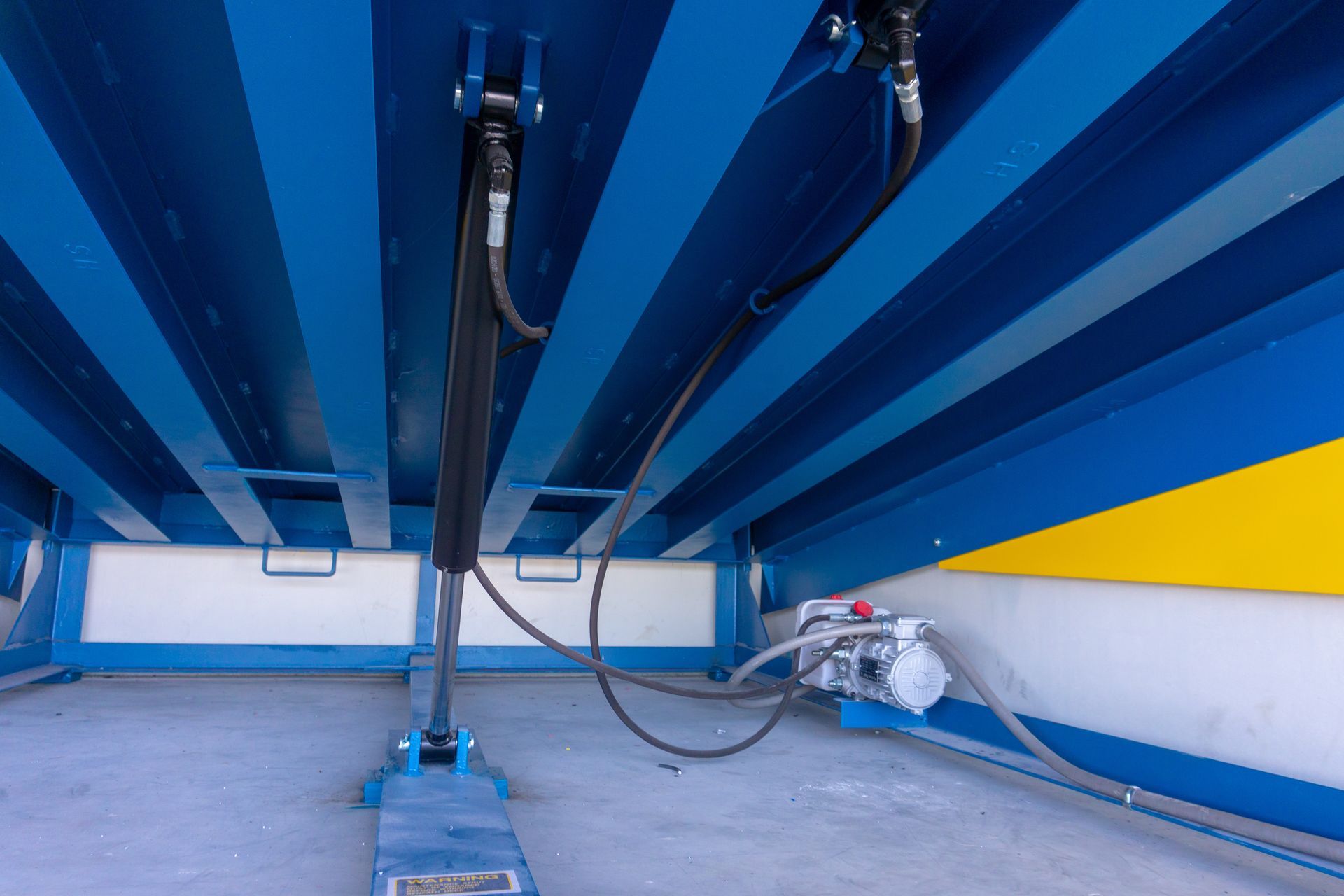
Freeze-thaw cycles crack leveler lip welds and stiffen dock seal foam—failure points that shut down receiving operations at East Taunton and Myles Standish Industrial Park facilities when levelers fail mid-shift or seals lose compression and leak conditioned air. Dock equipment service from Next Generation Doors & Construction includes maintenance, inspection, and emergency repair for dock levelers, dock seals, and loading dock hardware across the South Shore. Your operation depends on dock equipment that operates reliably during peak shipping seasons, and preventive inspection catches failure indicators before they force unplanned shutdowns.
Service calls include lip weld inspection and seal compression testing—preventive steps that identify stress points before failure. Lip welds crack at high-stress points where the leveler deck meets the transition lip, and cracks spread under repeated forklift loads until the lip separates and becomes unsafe. Seal compression testing measures whether dock seals maintain their original thickness and flexibility, because stiffened seals lose their ability to conform to trailer walls and create air leaks that increase heating costs.
Schedule a dock equipment inspection to identify weld stress and seal degradation before they cause operational shutdowns.
What Dock Equipment Inspection Involves
Lip weld inspection examines the transition point where the leveler deck connects to the lip plate, checking for hairline cracks or weld separation that indicate stress concentration. Cracks at this point spread quickly under forklift traffic and lead to catastrophic failure when the lip separates from the deck. Seal compression testing measures foam thickness and flexibility at multiple points across the seal face, identifying areas where the foam has compressed permanently or stiffened due to temperature cycling—seals that fail compression testing no longer seal against trailer walls effectively.
After service, your levelers operate with inspected and reinforced welds that handle forklift loads safely, seals compress evenly against trailer walls to maintain thermal barriers, and hydraulic systems lift and lower the leveler smoothly without hesitation. Facilities notice quieter leveler operation after hydraulic fluid is replaced and cylinders are serviced, and distribution centers see reduced heating costs when worn seals are replaced before they lose compression completely. Proactive maintenance extends equipment life and prevents the emergency repairs that shut down docks during critical shipping periods.
Emergency repair service addresses failures that occur mid-operation—broken hydraulic cylinders, separated lips, or completely failed seals that prevent safe loading. 24/7 emergency response and South Shore-based location allow for rapid dispatch to facilities experiencing dock equipment failure, minimizing downtime and lost productivity.
What Property Owners Usually Ask
Facility managers and operations directors ask these questions when evaluating dock equipment service and repair providers.
What causes leveler lip welds to crack in Taunton facilities?
Freeze-thaw cycles cause metal expansion and contraction that stresses weld points, and repeated forklift impacts concentrate force at the lip-to-deck transition. New England's seasonal temperature swings accelerate weld fatigue compared to facilities in more stable climates.
How do you test dock seal compression during service calls?
Technicians measure foam thickness at multiple points and apply pressure to check whether the seal springs back to its original thickness—permanently compressed or stiffened foam indicates the seal has lost effectiveness and will leak air during loading operations. Visual inspection also identifies cracks or tears in the seal covering.
Why does proactive dock equipment service prevent shutdowns?
Proactive service identifies wear before it causes failure—catching a hairline crack in a leveler weld allows for scheduled repair during off-hours, while waiting until the lip separates forces emergency repair that shuts down the dock immediately. Preventive maintenance avoids the unplanned downtime that disrupts shipping schedules.
How quickly can Next Generation Doors & Construction respond to a dock equipment emergency?
24/7 emergency service availability means technicians can respond within hours to address leveler failures, hydraulic breakdowns, or seal failures that shut down loading operations. South Shore-based location enables rapid dispatch to facilities across Taunton and surrounding areas.
What's included in routine dock equipment maintenance?
Maintenance includes lip weld inspection, seal compression testing, hydraulic cylinder function checks, leveler hinge lubrication, and safety mechanism testing. The goal is to verify all components operate within safe limits and identify wear before it causes failure.
Next Generation Doors & Construction is IDA certified with approximately 20 years of experience in commercial door and dock service, specializing in commercial and industrial applications. 24/7 emergency availability ensures a dock equipment failure doesn't shut down your operation overnight—contact Next Generation Doors & Construction to arrange preventive maintenance or emergency repair for your facility.