
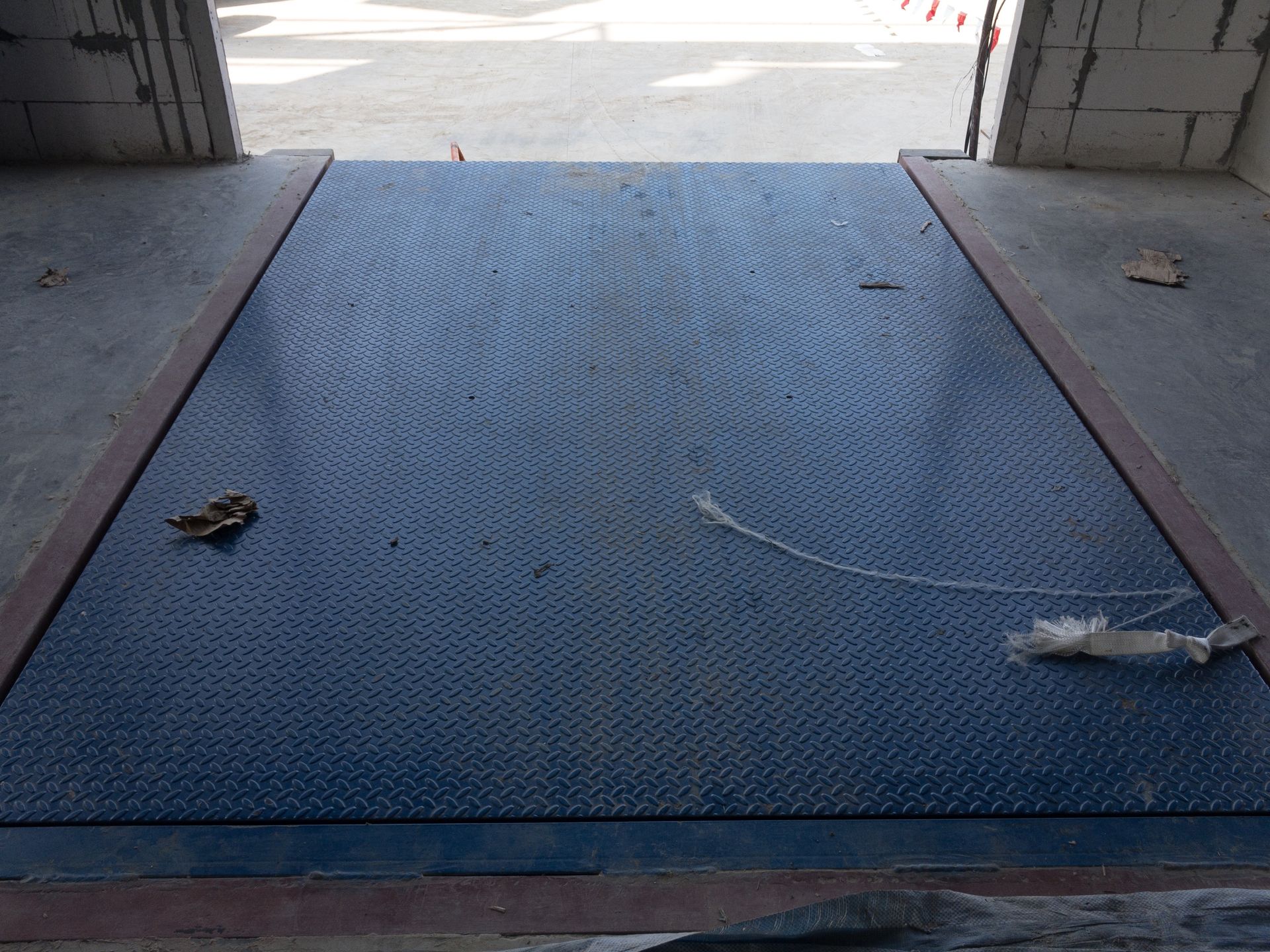
Levelers Spec'd to Your Forklift Load
Dock Equipment Installation in Taunton for distribution and industrial operations where incorrect leveler spec causes forklift damage and energy loss
Incorrect dock leveler spec causes forklift lip damage and energy loss—operations install levelers based on door opening width without considering actual forklift axle loads or trailer deck height variations. Next Generation Doors & Construction installs dock levelers, dock seals, and loading dock systems spec-matched to South Shore distribution and industrial operations in Taunton and the Route 138 industrial belt. Your facility requires dock equipment matched to your actual operation, not a one-size solution, because undersized levelers fail under heavy loads and improperly sized seals leak conditioned air during loading operations.
Dock equipment installation begins with measuring leveler capacity against actual forklift axle loads and pit depth against trailer deck height ranges. This precision spec process prevents equipment damage—generic installations measure door opening width and install standard-capacity levelers that bend or crack under repeated heavy loads. Taunton's industrial parks, including Myles Standish Industrial Park, house distribution operations where incorrect leveler spec creates costly downtime and safety risks.
Arrange a facility consultation to measure forklift axle loads and determine correct leveler capacity and pit depth requirements.
Why Leveler Capacity Measurement Matters
Leveler capacity must exceed the heaviest axle load your forklifts generate during loading and unloading—not just the forklift weight, but the combined weight of the forklift and the load it carries at the transition point between the dock and the trailer. Undersized levelers bend at the lip or crack at the hinge points under repeated heavy loads, creating safety hazards and forcing expensive emergency replacements. Pit depth measurement ensures the leveler lowers far enough to accommodate low-deck trailers without bottoming out or creating steep angles that strain forklift hydraulics.
After installation, your facility operates with levelers that handle actual forklift loads without bending, accommodate the full range of trailer deck heights, and seal against trailer edges to prevent air infiltration. Distribution centers notice smoother forklift transitions when levelers are properly sized and aligned, reducing the lip impact that damages equipment and cargo. Facilities with climate-controlled warehouses see reduced heating and cooling costs when dock seals close the gap between the building and trailer, stopping air leaks during loading operations.
Dock seal selection depends on trailer size consistency and how tightly the seal needs to compress against trailer walls—facilities handling varied trailer sizes need adjustable or flexible seals, while operations with consistent trailer dimensions benefit from rigid seals that maximize compression. Wayne Dalton partnership and IDA certification provide access to commercial-grade dock equipment engineered for distribution facility requirements, not light-duty residential-grade components.
Questions Before Starting Your Project
Distribution and facility managers ask these questions when planning dock equipment installations or upgrades.
What's the difference between measuring door opening width and measuring forklift axle loads?
Door opening width tells you how wide the leveler needs to be, but axle load determines the weight capacity required—a wide leveler with insufficient capacity will still fail under heavy forklift loads. You need to measure the combined weight of the forklift and its maximum load at the transition point to spec the correct capacity.
How does pit depth affect dock leveler performance?
Pit depth determines how far the leveler can lower to meet trailer decks—insufficient depth creates steep angles that strain forklift hydraulics and create unsafe transition points. Measuring trailer deck height ranges at your facility ensures the leveler accommodates the lowest decks you encounter without bottoming out.
Why do dock seals matter for energy costs in Taunton facilities?
Dock seals close the gap between the building and trailer during loading, preventing conditioned air from escaping—a significant factor during New England winters when unheated trailers create large temperature differentials. Properly sized seals reduce heating costs by maintaining the thermal barrier during loading operations.
What happens if a leveler is installed without checking forklift axle loads?
Undersized levelers bend at the lip or crack at the hinge points under repeated heavy loads, creating safety hazards and requiring expensive emergency replacements. Levelers that fail mid-operation shut down the dock until repairs are completed, costing lost productivity.
Does Next Generation Doors & Construction handle commercial and industrial facilities only?
Yes, the company focuses exclusively on commercial and industrial door and dock applications—not residential garage doors or light-duty equipment. This specialization ensures technicians understand distribution facility requirements and spec equipment correctly for high-cycle commercial use.
Next Generation Doors & Construction has approximately 20 years of experience in commercial door and dock applications, with IDA certification and Wayne Dalton partnership for access to commercial-grade equipment. Request a dock evaluation to receive leveler and seal specifications matched to your facility's forklift loads and trailer dimensions.